Simply put:
- Short, consistent daily and weekly routines reduce the need for long deep-cleaning sessions later.
- Targeting high-traffic zones (kitchens, bathrooms, entryways) first delivers the biggest visible impact for the least effort.
- Pairing a simple supply kit with a fixed schedule is more effective than sporadic, all-day cleaning marathons.
Keeping a house consistently tidy does not require hours of scrubbing every weekend. A few strategic habits, applied in the right order and on a predictable schedule, can keep a home presentable with far less daily effort. Many households now rely on structured home cleaning routines rather than reactive, last-minute tidying, which tends to take longer and feel more exhausting.
Build a Routine Around Daily Micro-Tasks
Spreading small tasks across the week prevents dirt and clutter from accumulating into a larger job. A short daily routine, done consistently, often replaces the need for a lengthy weekend session.
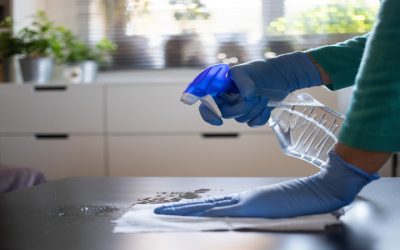
- Wipe kitchen counters and stovetops after each meal to prevent buildup.
- Run a quick sweep or vacuum pass in entryways and high-traffic hallways.
- Make beds each morning, which keeps bedrooms visually tidy with minimal effort.
- Do a five-minute reset of common areas before bed to clear surfaces and put stray items away.
These small actions matter because dust, grease, and bacteria accumulate gradually. Addressing them early keeps surfaces easier to clean and reduces the scrubbing needed later.
Focus Weekly Effort on High-Impact Zones
Not every room needs the same attention every week. Kitchens and bathrooms accumulate grime and moisture fastest, making them priority zones for homeowners in Rocklin, CA, where warm, dry summers can intensify dust buildup indoors.
- Clean and disinfect bathroom surfaces, including faucets, mirrors, and toilet exteriors.
- Degrease stovetops, backsplashes, and range hoods in the kitchen.
- Vacuum carpets and mop hard floors, paying attention to corners and baseboards.
- Dust shelves, blinds, and electronics, working top to bottom so debris falls onto already-cleaned floors last.
Reducing household chemical use also supports better indoor air, since many cleaning products release pollutants during use. The EPA recommends ventilating rooms during and after cleaning and choosing less toxic products where possible to limit chemical exposure indoors.
Choose the Right Tools and Supplies
A streamlined supply kit saves time by eliminating the search for scattered tools mid-task. Keeping core items together, ideally in a portable caddy, prevents repeated trips between rooms.
| Supply Type | Example Items | Purpose |
| Surface cleaners | All-purpose spray, glass cleaner | Counters, mirrors, appliances |
| Floor care | Microfiber mop, vacuum with HEPA filter | Hard floors and carpets |
| Dusting tools | Microfiber cloths, extendable duster | Shelves, blinds, ceiling fans |
| Bathroom specific | Disinfectant, grout brush | Tile, fixtures, high-moisture areas |
Microfiber cloths and mop heads are worth prioritizing because they trap more dust and bacteria than standard cotton rags, reducing the number of passes needed per surface.
Match Cleaning Frequency to Household Needs
Not every home needs the same cleaning cadence. Household size, pets, allergies, and how often rooms are used all affect how frequently deeper cleaning should happen.
- Weekly: kitchens, bathrooms, and floors in main living areas.
- Biweekly or monthly: bedrooms, closets, and less-used guest spaces.
- Seasonally: baseboards, window tracks, vents, and behind appliances.
Adjusting frequency based on actual household patterns, rather than a fixed calendar, prevents wasted effort on rooms that do not need frequent attention while keeping high-use areas consistently clean.
Frequently Asked Questions
How often should a home be deep cleaned versus lightly cleaned? Light cleaning tasks, such as wiping counters and vacuuming high-traffic areas, work best weekly, while deep cleaning tasks like scrubbing grout or cleaning behind appliances are typically needed less often, often monthly or seasonally.
What is the fastest way to tidy a home before guests arrive? Focusing on visible high-traffic zones first, such as entryways, kitchens, and bathrooms, creates the most noticeable improvement in the least amount of time.
Does reducing cleaning product use actually matter for air quality? Yes. Ventilating during cleaning and minimizing strong chemical products can reduce indoor pollutant levels, based on EPA guidance on indoor air quality.
Is it better to clean a little every day or do one big session weekly? Daily micro-tasks generally reduce total time spent cleaning because they prevent buildup, making any larger weekly session shorter and less labor-intensive.
Finding Local Cleaning Support
Based in Roseville, CA, Kings Cleaning serves customers across Rocklin, CA, providing an option for residents seeking professional cleaning assistance.
Residents comparing local cleaning options can Contact Kings Cleaning for published service area and contact details.