In short:
• Denver homeowners need a residential roofing contractor for installation, replacement, repairs, routine maintenance, and detailed inspections suited to the region’s hail and temperature swings.
• Verified services from Roof Evolution’s Denver residential roofing page include new roof installations, replacements, repairs, and inspections using asphalt shingle, metal, and tile materials.
• Colorado ranked 6th nationally for major hail events in 2025, making inspection and timely repair a practical priority for Denver roofs.
A residential roofing contractor in Denver handles new roof installation, replacement, repair, and inspection work for homeowners dealing with hail, heavy snow load, and sharp temperature swings common to the Front Range. Finding the right contractor matters because a roof installed without regard for local climate conditions tends to fail faster and cost more to maintain over time.
Homeowners searching for a residential roofing Contractor in Denver CO are usually dealing with one of three situations: an aging roof nearing the end of its service life, storm damage that needs assessment, or new construction that requires a first installation. Each scenario calls for a slightly different approach, but all three depend on a contractor who understands how Denver’s climate affects roofing materials and installation methods.
What Residential Roofing Services Actually Cover
Roof work for homes generally falls into a handful of categories, and residential roofing services in Denver, CO typically include new roof installations, roof replacements, repairs, and routine maintenance designed to keep a roof performing through its expected lifespan. These services use several material options depending on budget, style, and performance needs:
• Asphalt shingles – the most common residential choice, balancing cost and durability
• Metal roofing – built for longevity and snow shedding
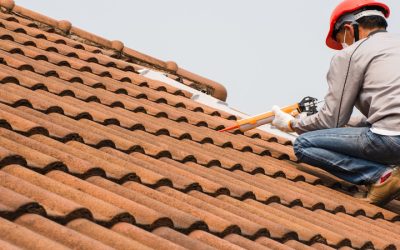
• Tile roofing – favored for aesthetic and weather resistance in certain neighborhoods
Contractors work with various roofing materials such as asphalt shingles, metal, and tile to provide options that suit style and budget. Material choice affects not just appearance but how a roof handles Denver’s freeze-thaw cycles and intense summer sun.
Installation and Replacement Basics
New construction and full roof replacement require the most planning. A contractor should walk through material selection, timeline, and site protection before work begins. Residential roofing installation in Denver aims to provide homeowners with durable, weather-resistant roofs designed to withstand the region’s unique climate, whether building a new home or replacing an old roof.
Why Inspections Matter More in Denver Than Elsewhere
Colorado’s hail exposure is not a minor detail for homeowners. NOAA’s National Weather Service Storm Prediction Center Annual Severe Weather Report Summary reported 5,432 hail events nationally in 2025, with Colorado ranking sixth among states at 244 major hail events. That frequency means roofs in the Denver metro take repeated impact stress that is not always visible from the ground.
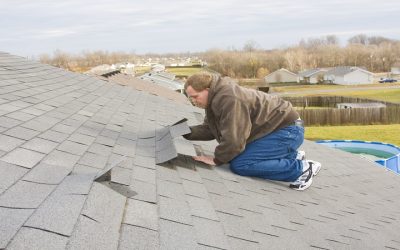
Routine and post-storm inspections catch problems before they turn into interior water damage. Residential roof inspection services help identify potential problems early, such as leaks, damaged shingles, or structural issues, catching concerns before they escalate into costly repairs. For general guidance on how severe weather affects residential structures, the National Weather Service storm safety resources offer background on regional hail and wind risk patterns that homeowners can reference when assessing their own property.
Repairs and Maintenance Between Full Replacements
Not every roofing issue requires a full replacement. Many homeowners need:
| Service Type | Typical Trigger | Goal |
| Leak repair | Visible water stains or active dripping | Stop water intrusion fast |
| Shingle replacement | Storm damage or wear | Restore protective layer |
| Routine maintenance | Scheduled upkeep | Extend roof lifespan |
| Flashing repair | Leaks around chimneys/vents | Seal vulnerable joints |
A full range of residential roofing services in Denver aims to keep a roof in excellent condition throughout its lifespan, with the goal of delivering solutions that protect the home while improving its overall aesthetic.
Choosing a Contractor for Denver’s Climate
Local experience matters because installation standards that work in milder climates do not always hold up against Colorado’s hail and snow load. A contractor familiar with the region should be able to explain material tradeoffs clearly and provide a written scope of work before any job starts. Ask about inspection reporting, warranty terms, and how storm damage claims are typically documented, since these details affect both short-term repair quality and long-term roof performance.
Frequently Asked Questions
How often should a Denver homeowner schedule a roof inspection? Many homeowners schedule inspections annually and after any significant hail or wind event, since storm-related damage is not always visible without a close look.
What roofing materials hold up best in Denver’s climate? Asphalt shingles, metal, and tile are all used locally, with the right choice depending on budget, home style, and how much snow and hail exposure the roof typically faces.
Does roof replacement cost more than repair? Replacement is a larger upfront investment than repair, but a contractor can assess whether a roof’s age and damage level make repair a practical short-term option or replacement the better long-term choice.
Residential roofing decisions in Denver come down to matching the right service, whether installation, replacement, repair, or inspection, to the condition of the roof and the demands of the local climate. Roof Evolution provides residential roofing installation, inspection, and repair services for homeowners in the Denver area, with work centered on materials and methods suited to the region’s weather patterns. Homeowners weighing their next roofing project should prioritize a clear inspection report and a documented scope of work before committing to any contractor.