At a glance:
• Air sealing combined with proper insulation can cut heating and cooling costs by an average of 15 percent, according to federal estimates.
• Closed-cell spray foam offers among the highest R-values per inch of any common material, making it effective in tight cavities like rim joists and crawl spaces.
• Cold winters and humid summers in Madison, WI, make attic, wall, and basement insulation upgrades especially relevant for reducing seasonal utility costs.
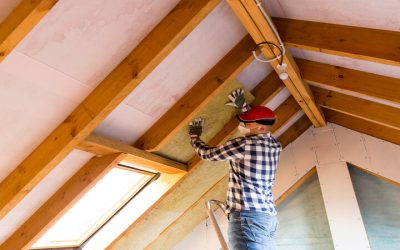
Proper insulation lowers energy bills by slowing heat transfer through a home’s walls, attic, and foundation, so your furnace or air conditioner doesn’t have to work as hard. Homes with gaps, thin coverage, or aging material lose conditioned air through the building envelope, and that waste shows up directly on monthly utility statements.
Homeowners searching for insulation services usually want to solve one of two problems: persistent drafts and temperature swings, or utility bills that seem high for the home’s size. Both issues often trace back to insufficient R-value or unsealed air leaks in attics, rim joists, and crawl spaces. Addressing these areas tends to produce the most noticeable savings and the fastest payback.
Why Insulation Affects Utility Costs
Heat naturally moves toward cooler space, so during Wisconsin winters, warm indoor air pushes toward the cold outdoors through any available path. In summer, the reverse happens as outdoor heat moves inward.
• Insulation slows this heat transfer, reducing how often heating and cooling systems cycle on.
• Air sealing closes the cracks and gaps that let conditioned air escape even when insulation is present.
• Together, these two steps matter more than either one alone, since insulation without air sealing still lets energy escape through gaps.
According to ENERGY STAR’s sealing and insulation methodology, homeowners can save an average of 15 percent on heating and cooling costs by air sealing and adding insulation in attics, floors over crawl spaces, and basements. That figure reflects national averages, but colder climate zones like south-central Wisconsin often see savings at the higher end of that range because heating demand is greater for more months of the year.
Spray Foam and Material Performance
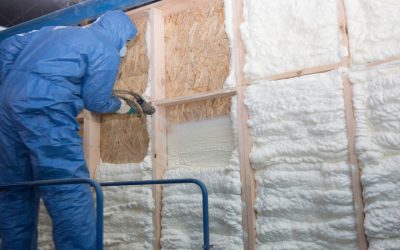
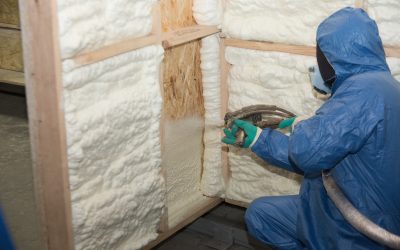
Not all insulation materials perform the same way per inch of thickness. Closed-cell spray foam is commonly cited as one of the highest-performing options for air sealing and moisture resistance in confined spaces.
| Material | Typical R-Value per Inch | Air Barrier Function |
| Closed-cell spray foam | Approximately 6.0 to 7.0 | Yes |
| Open-cell spray foam | Approximately 3.5 to 3.8 | Yes |
| Fiberglass batts | Approximately 3.0 to 4.3 | No |
| Blown cellulose | Approximately 3.2 to 3.8 | No |
Closed-cell foam’s density and air-sealing properties make it a frequent choice for rim joists, basement walls, and crawl spaces, areas where moisture control and limited cavity space are common concerns in older Madison, WI, housing stock.
What to Expect From a Professional Evaluation
A contractor assessment typically starts by identifying where a home loses the most conditioned air, then recommends materials and thickness.
1. Inspection of attic, wall cavity, and basement or crawl space access points for existing insulation condition.
2. Identification of visible air leaks around rim joists, penetrations, and gaps in old insulation.
3. Recommendations tailored to the specific area, since attics, walls, and crawl spaces often require different materials.
4. Installation that accounts for local building code minimums for the climate zone.
Local climate matters in this process. Freeze-thaw winters and humid summers in Madison, WI, put more demand on an unsealed building envelope than milder climates do, so evaluations here tend to weigh moisture resistance alongside R-value.
Frequently Asked Questions
How much can insulation realistically lower a utility bill? National estimates from ENERGY STAR point to average heating and cooling savings of around 15 percent when air sealing is paired with proper insulation, though actual results depend on a home’s current condition and local climate.
Is spray foam insulation worth the added material cost? Closed-cell spray foam costs more upfront than fiberglass or cellulose, but its higher R-value per inch and built-in air-sealing function often make it a practical choice for tight or moisture-prone spaces like rim joists and crawl spaces.
Do older homes in Madison, WI, need different insulation than newer builds? Older homes often have thinner or settled insulation and more air leaks, so an evaluation often reveals larger gaps to close than in newer construction built to current code minimums.
Can insulation alone fix high energy bills, or do you also need air sealing? Insulation slows heat transfer, but without sealing cracks and gaps, conditioned air can still escape, so the most effective projects address both insulation and air sealing.
Energy bills tied to heating and cooling are shaped largely by how well a building envelope resists air movement and heat transfer, and insulation upgrades remain one of the more measurable ways to address that for homes in the Madison, WI, climate. Homeowners considering an upgrade can start by reviewing current attic, wall, and crawl space conditions before deciding on materials and scope.
Foamtech LLC serves customers across Madison, WI, focusing on residential and light commercial insulation projects rather than operating a storefront. The company’s profile lists spray foam insulation as a core offering, applied to attics, walls, basements, and similar cavity spaces for both new construction and existing buildings.