I have solid verified information. Let me get one authoritative external source on landscape construction/hardscaping guidance for the article.
Quick summary:
- Successful projects start with a site assessment, a clear design plan, and materials suited to Kirkland’s wet Pacific Northwest climate.
- Core landscape construction elements typically include patios, walkways, retaining walls, driveways, drainage, and water features.
- Coordinating design and build under one process helps reduce delays, mismatched materials, and drainage problems later.
Homeowners searching for guidance on a landscape construction project want to know what steps, materials, and timelines actually matter before breaking ground. The short answer: a successful project depends on proper drainage planning, climate-appropriate materials, and a contractor who sequences design and installation as one connected process rather than separate phases.
Kirkland’s rainfall patterns and clay-heavy soils make landscape construction in Kirkland WA a different challenge than drier climates. Retaining walls, patios, and driveways installed without proper base preparation or drainage integration tend to shift, crack, or pool water within a few wet seasons. Understanding the sequence of a well-planned project helps property owners set realistic expectations and avoid costly rework.
What Landscape Construction Actually Involves
Landscape construction covers the structural and hardscape elements that give an outdoor space its shape and function, distinct from ongoing maintenance like mowing or pruning. Based on services documented for the Kirkland service area, this typically includes:
- Patios built for durability and outdoor entertaining or relaxation space
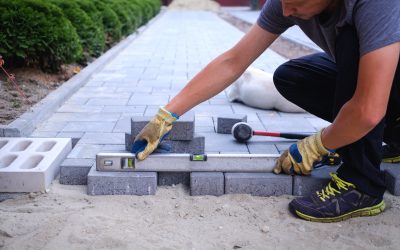
- Walkways designed to connect with the existing landscape and improve flow
- Retaining walls engineered to manage soil erosion on sloped lots
- Driveways built to handle heavy use while complementing a home’s exterior
- Water features and garden installations tailored to the property
Landscape construction services encompass a full range of projects, from initial design and planning to detailed execution, with skilled teams equipped to handle elements such as garden installations, water features, and outdoor living spaces tailored to specific needs. Retaining walls specifically are engineered to manage soil erosion while adding a sculpted look to a garden, which matters on Kirkland’s many graded and hillside lots.
Why Drainage Planning Comes First
Before any patio or walkway goes in, drainage has to be addressed. Water that isn’t managed correctly during construction undermines everything built on top of it, regardless of material quality.
Integrating drainage services helps reduce pooling, protect planting beds, and support the longevity of hardscape, promoting stable foundations, cleaner transitions between materials, and fewer seasonal issues through heavy rain and changing temperatures. This is especially relevant in Western Washington, where outdoor water management works differently than in drier states. According to EPA WaterSense guidance on water-smart landscape design, a holistic approach to landscape planning accounts for both water efficiency and long-term site performance, principles that apply as much to drainage and grading decisions as to plant selection.
Steps a contractor typically follows to manage water before construction begins:
1. Assess existing grade and soil drainage patterns
2. Identify where water naturally collects or runs off
3. Install drainage lines or grading adjustments ahead of hardscape work
4. Confirm base preparation supports both structure and water flow
5. Finalize surface materials once drainage is verified
Comparing Common Hardscape Elements
Different hardscape features serve different purposes on a property, and choosing the right one depends on the site and how the space will be used.
|
Element |
Primary Purpose |
Typical Consideration |
|
Patio |
Outdoor living/entertaining |
Durability and surface drainage |
|
Walkway |
Circulation and accessibility |
Flow with existing landscape design |
|
Retaining Wall |
Erosion and slope control |
Soil engineering on graded lots |
|
Driveway |
Vehicle access |
Load-bearing base and exterior fit |
Patios are designed for durability and style as a relaxation or entertainment space, walkways are designed to flow with the landscape and enhance accessibility, retaining walls are engineered to manage soil erosion while adding a sculpted look, and driveways are built to endure heavy use while complementing a home’s exterior design.
Coordinating Design and Construction
Projects that separate design from construction often run into mismatched expectations, revised plans, and material delays. Keeping design and construction under one process supports accuracy, efficiency, and consistent quality, so outdoor spaces look cohesive, feel intentional, and hold up well over time. This matters for Kirkland properties where design decisions, like slope grading or plant placement, directly affect how hardscape performs later.
A team that understands local weather conditions can also plan material choices accordingly. Work built to withstand the Pacific Northwest’s seasonal rains, with each project approached through a clear plan, quality materials, and craftsmanship designed to look polished for years, reflects that regional experience.
Frequently Asked Questions
How long does a typical landscape construction project take in Kirkland? Timelines vary by project scope, but most residential hardscape projects involve a design phase, permitting where required, drainage prep, and installation, with weather often affecting scheduling during Kirkland’s wetter months.
Do retaining walls require special engineering? Yes. On sloped or clay-heavy soil, retaining walls need proper engineering to manage erosion and prevent shifting, which is why professional assessment matters before installation begins.
Can drainage issues be fixed after a patio or driveway is already installed? It’s possible but more disruptive and costly than addressing drainage during initial construction, which is why grading and water flow are typically evaluated first.
What materials hold up best in Kirkland’s climate? Materials chosen for freeze-thaw resistance and proper drainage compatibility tend to perform better through the region’s wet, mild winters than those selected for appearance alone.
Planning ahead for drainage, material selection, and design coordination reduces the risk of costly repairs down the line. Property owners in the Kirkland area considering a hardscape or outdoor living project can review service details and contact information through Rich Landscaping Inc to discuss site-specific needs before construction begins.